Boutique Store Guide: Your Expert Roadmap for 2025
The boutique store landscape is thriving in 2025, fueled by customers seeking unique and personalized shopping experiences. With more shoppers valuing authenticity and individuality, boutique stores have become retail destinations of choice.
New and seasoned boutique owners face both exciting opportunities and complex challenges in this fast-changing market. Navigating shifting trends and evolving expectations requires adaptability and strategic insight.
Mastering boutique store strategies brings a range of rewards, including higher profits and deeper community ties. Success hinges on understanding the latest innovations, consumer behaviors, and operational best practices.
This expert roadmap delivers actionable steps and proven insights for boutique store success in 2025. Explore market research, branding, inventory management, customer experience, digital transformation, and the trends shaping the future.
Understanding the 2025 Boutique Landscape
The boutique store sector is experiencing a significant transformation in 2025. As consumer preferences evolve, boutique owners must stay ahead of trends, adapt to new behaviors, and strategically position their stores to thrive. Understanding the current landscape is essential for building a resilient and successful boutique store in today's fast-changing retail environment.
Key Market Trends & Consumer Behaviors
The boutique store industry is on a growth trajectory, with IBISWorld projecting specialty retail to expand steadily in 2025. Shoppers are now more discerning, placing value on sustainable, ethically sourced, and locally made products. This demand is shifting the focus for boutique store owners, who must curate offerings that reflect these values.
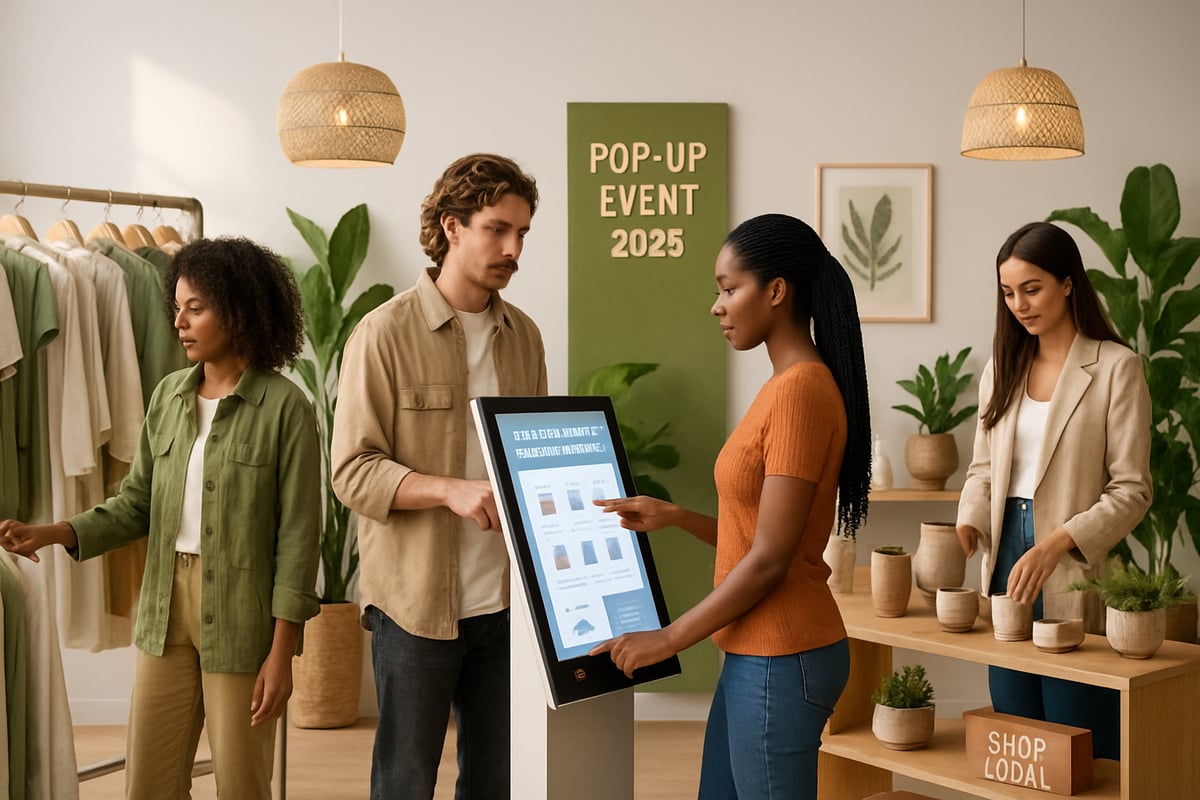
Personalization is another driving force. Consumers expect curated and unique shopping experiences that go beyond traditional retail. Many boutique stores are responding by hosting workshops, exclusive events, and community gatherings, which foster deeper connections and encourage repeat visits.
Gen Z and Millennials are shaping the boutique store landscape with their emphasis on authenticity, inclusivity, and social responsibility. They gravitate toward brands that have clear missions and transparent practices. As a result, boutiques are investing in storytelling and inclusive merchandising to resonate with these groups.
Omnichannel retail has become the standard. Shoppers expect a seamless integration between physical locations and digital channels, whether browsing inventory online or participating in in-store events. For example, one successful boutique store leveraged pop-up collaborations with local artists and digital marketing to build a vibrant community and boost sales.
To stay competitive, it is crucial to follow current boutique clothing trends, which highlight the importance of sustainability, personalization, and a strong digital presence. By embracing these trends, boutique stores can attract loyal customers and stand out in a crowded market.
Competitive Analysis & Positioning
Conducting a thorough competitive analysis is vital for any boutique store aiming to succeed in 2025. Start by identifying market gaps through competitor research and social listening, which allows you to spot unmet needs and emerging opportunities.
Differentiation is key. Boutique store owners should focus on unique product selections, niche markets, or offering exclusive services. Whether specializing in plus-size fashion, eco-friendly apparel, or luxury accessories, carving out a distinct identity is essential.
Data supports this approach. According to the Shopify 2024 Retail Report, 67% of boutique shoppers prefer stores that communicate a clear brand story or mission. This finding underscores the importance of authentic positioning and consistent messaging throughout all channels.
Effective positioning strategies include highlighting exclusive collaborations, leveraging local partnerships, and delivering a consistent experience across both physical and digital platforms. By combining these tactics, a boutique store can distinguish itself from competitors, even in saturated markets.
Ultimately, ongoing analysis and adaptation will help boutique store owners navigate the evolving retail landscape. With the right competitive edge, boutiques can secure their place as valued destinations for modern consumers.
Step 1: Planning & Launching Your Boutique Store
Launching a boutique store in 2025 requires a blend of creative vision, strategic planning, and attention to detail. This step is the foundation for long-term success, guiding you from concept to grand opening. By carefully considering each aspect, you position your boutique store to attract loyal customers and stand out in a competitive market.

Conducting Market Research & Defining Your Niche
Every successful boutique store starts with thorough market research. Begin by analyzing your local area to understand customer demographics, preferences, and shopping habits. Use tools like Google Trends, social media analytics, and competitor reviews to spot emerging styles and assess demand.
Identifying your niche is essential. Ask yourself: What unique value will my boutique store offer? Consider specializing in plus-size fashion, eco-friendly apparel, or luxury accessories. These focused approaches help you stand apart and target specific customer segments. For inspiration, explore how Starting an Online Boutique can streamline your planning and help you reach a wider audience.
Compile findings into a simple table:
| Research Tool | Purpose |
|---|---|
| Google Trends | Identify style trends |
| Social Media | Gauge customer interests |
| Competitor Websites | Analyze product gaps |
By defining your niche early, your boutique store can curate inventory and marketing messages that truly resonate.
Legal, Financial, and Location Considerations
Before opening your boutique store, address key legal and financial aspects. Register your business, obtain necessary permits, and ensure compliance with local regulations. Budgeting is crucial—calculate startup costs including rent, inventory, marketing, and POS systems. According to Fit Small Business, average startup costs for a boutique store range from $30,000 to $100,000.
Securing funding can involve personal savings, small business loans, or investor support. Draft a detailed business plan outlining expenses and revenue projections. When choosing a location, weigh the benefits of high foot traffic areas against destination spaces that attract loyal shoppers.
A quick checklist for this phase:
- Register your business and obtain permits
- Develop a comprehensive budget
- Secure funding sources
- Evaluate potential locations
Taking a systematic approach to these elements minimizes risk and sets your boutique store up for operational success.
Sourcing Inventory & Building Supplier Relationships
The heart of your boutique store is its inventory. Decide whether to source products wholesale or work directly with designers for unique offerings. Building strong relationships with reliable suppliers ensures consistent quality and timely delivery.
Negotiate terms such as minimum orders, delivery schedules, and payment plans. Sustainable sourcing is increasingly important—customers value transparency and eco-friendly practices. Consider attending trade shows or sourcing locally to discover new partners and products.
A few tips for effective inventory sourcing:
- Compare wholesale and direct sourcing options
- Request samples before committing to large orders
- Prioritize suppliers with ethical and sustainable practices
By curating inventory that aligns with your boutique store’s niche, you create a cohesive brand and foster customer loyalty.
Designing Your Store for Success
Store design has a direct impact on customer experience and sales. Plan a layout that guides shoppers naturally through your boutique store, highlighting featured collections and seasonal displays. Visual merchandising, like color-coordinated racks or modular shelving, keeps the space fresh and engaging.
Accessibility is essential. Ensure aisles are wide, displays are at comfortable heights, and fitting rooms are inclusive. Incorporate elements that reflect your brand identity, from signage to decor.
Consider these store design best practices:
- Use flexible displays for easy updates
- Integrate comfortable seating and clear signage
- Prioritize accessibility and inclusivity
A well-designed boutique store not only boosts sales but also builds an inviting atmosphere that keeps customers coming back.
Step 2: Branding, Marketing & Customer Engagement
Building a thriving boutique store in 2025 means curating an impactful brand, mastering both digital and in-person marketing, and creating lasting customer relationships. With more boutique store options than ever, your approach to branding and engagement will set you apart and drive long-term success.

Creating a Distinctive Brand Identity
Every successful boutique store starts with a recognizable and memorable brand identity. Begin by selecting a name and logo that reflect your mission and resonate with your target audience. Invest in a cohesive visual style, from your color palette to your in-store displays, to create a consistent customer experience.
Define your boutique store’s mission, values, and unique selling proposition. Are you focused on eco-conscious fashion, local artisans, or luxury accessories? Your brand story should communicate what sets your boutique store apart and why customers should care.
For example, a boutique store dedicated to sustainable fashion might use storytelling to highlight partnerships with ethical designers and share the journey of each product. This transparency builds trust and loyalty, making your boutique store a destination for conscious shoppers.
Digital Marketing Strategies for 2025
In 2025, your boutique store’s digital presence is as important as your physical location. Leverage platforms like Instagram, TikTok, and Pinterest to showcase new arrivals, behind-the-scenes content, and user-generated photos. Collaborate with micro-influencers who align with your brand values to expand your reach and credibility.
Use email automation to nurture relationships and reward loyal customers with exclusive offers. Launch social media contests and encourage customers to tag your boutique store for increased visibility. According to recent data, 78% of boutique shoppers discover new stores via social media, emphasizing the need for a strong online strategy.
For inspiration, review the Best Online Boutiques Guide, which highlights standout boutique store marketing tactics and branding ideas that can help you refine your approach.
In-Store and Community Marketing
While digital marketing drives discovery, in-person experiences create lasting connections. Host launch parties, styling workshops, or pop-up collaborations with local artists to make your boutique store a community hub. These events can foster loyalty and generate word-of-mouth buzz.
Implement referral programs and offer exclusive perks for your most dedicated customers. Personalized service and genuine engagement will transform occasional shoppers into brand advocates. Remember, every interaction within your boutique store is an opportunity to strengthen your reputation and customer base.
Measuring Marketing ROI
Tracking your marketing efforts ensures your boutique store’s resources are used effectively. Monitor key performance indicators such as foot traffic, conversion rates, and customer retention to evaluate success. Use tools like Google Analytics, POS data, and social media insights to measure which campaigns drive results.
Regularly review your strategies and adjust based on data. This ongoing analysis will help your boutique store stay agile, maximize returns, and continue growing in a competitive landscape.
Step 3: Mastering Inventory, Tech & Operations
Effectively managing inventory, technology, and daily operations is vital for a successful boutique store. By refining these core areas, owners can improve profitability, enhance customer satisfaction, and maintain a competitive edge. Let us explore how you can master these essential components.
Inventory Management Best Practices
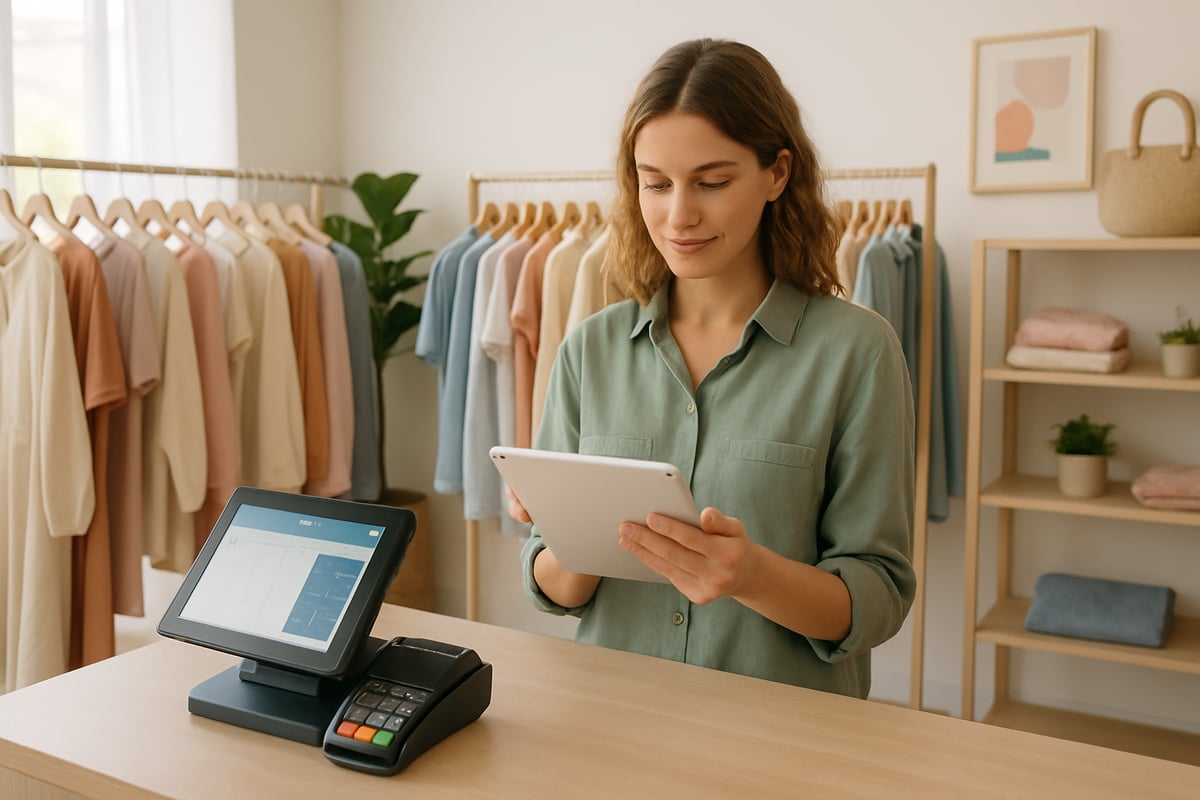
Inventory is the heartbeat of every boutique store. Implement robust inventory tracking systems that offer real-time updates on stock levels. Solutions like RFID tags and integrated POS platforms help prevent stockouts and overstock situations.
Use data analytics to forecast demand. Analyze historical sales data and seasonal trends to curate your product selection. This approach ensures the boutique store always carries items customers want while reducing excess inventory.
Visual merchandising is another key component. Rotate products based on season and customer preferences. For example, display trending items in high-traffic areas to boost visibility and sales.
A summary of inventory strategies:
| Practice | Benefit |
|---|---|
| Real-time tracking | Reduces stock errors |
| Demand forecasting | Matches inventory to customer needs |
| Seasonal curation | Keeps displays fresh and relevant |
Embracing Technology & Omnichannel Solutions
Technology is rapidly transforming the boutique store landscape. Integrate your POS with an e-commerce platform to unify online and offline sales, ensuring seamless customer experiences.
Shoppers expect real-time inventory visibility whether they visit in person or browse online. Offering services like buy online, pick up in store (BOPIS) can set your boutique store apart from competitors. According to the 2025 US Retail Industry Outlook, omnichannel capabilities are now essential for growth and customer loyalty.
Adopt digital tools to streamline operations. Inventory management software, automated notifications for low stock, and digital payment solutions all contribute to efficient workflows and improved service.
Hiring & Training Staff
A boutique store thrives on exceptional staff. Hire individuals with strong customer service skills and a passion for fashion. Look for experience in retail and a genuine interest in your boutique store’s unique offerings.
Provide ongoing training in product knowledge, sales techniques, and technology use. Well-trained staff can deliver personalized recommendations, manage inventory accurately, and create memorable experiences for shoppers.
Encourage teamwork and maintain a positive workplace culture. This not only boosts morale but also reduces turnover, ensuring your boutique store consistently delivers excellent service.
Operational Efficiency & Cost Control
Streamlining daily operations is crucial for any boutique store. Use scheduling software to optimize staffing and avoid over- or under-staffing. Develop vendor management routines to ensure timely deliveries and consistent product quality.
Implement cost-saving measures where possible. Negotiate supplier terms, monitor utility usage, and automate routine tasks to minimize expenses. However, never compromise on the quality that defines your boutique store.
Regularly review operational data to identify inefficiencies. Adjust processes as needed to maintain a lean operation, keeping your boutique store agile in a competitive retail environment.
Step 4: Delivering Exceptional Customer Experience
Boutique store owners know that delivering an exceptional customer experience is not just about transactions, but about building relationships and trust. In 2025, customer expectations are higher than ever, and every interaction counts. Mastering this aspect will set your boutique store apart, drive repeat business, and foster brand loyalty in a competitive landscape.
Personalization & Customer Service Excellence
Personalization is at the heart of every successful boutique store. Use customer data to offer tailored recommendations and send personalized communications, whether by email or in person. Customers value feeling seen and understood, so offering styling consultations or one-on-one shopping appointments can make a significant impact.
Consider implementing a VIP client program that provides early access to new collections, special discounts, or exclusive events. This approach not only increases customer satisfaction but also encourages higher spending per visit. Train your staff to recognize regular customers, greet them by name, and remember their preferences. These small gestures build trust and make every visit memorable.
Building Loyalty & Repeat Business
Building a loyal customer base is essential for any boutique store aiming for long-term success. Implement rewards programs that recognize and celebrate repeat shoppers with exclusive offers or early product launches. Encourage customers to provide feedback through surveys or in-person conversations, then use that feedback to improve your offerings.
According to Retail Trends to Watch in 2025, diversity and inclusion initiatives are shaping the future of customer engagement, making it more important than ever to create a welcoming environment for all. Remember, repeat customers spend 67% more than new ones, so focus on nurturing those relationships with attentive service and meaningful rewards.
Handling Returns, Exchanges, and Complaints
A boutique store’s reputation is built on how well it handles returns, exchanges, and complaints. Develop clear, customer-friendly policies that are easy to find both in-store and online. Transparency builds trust, and customers are more likely to shop again if they know your boutique store stands behind its products.
Train your team in conflict resolution and problem-solving techniques. Equip them to address concerns with empathy and efficiency, turning potentially negative experiences into opportunities for positive engagement. Offer solutions such as store credit, easy exchanges, or quick refunds to ensure every customer leaves satisfied.
Fostering Community & Brand Advocacy
The most successful boutique store brands go beyond transactions to foster a sense of community. Encourage customers to share their experiences on social media by creating branded hashtags or offering incentives for user-generated content. Host customer appreciation events or partner with local creators for workshops and pop-ups that bring people together.
Turn loyal shoppers into brand ambassadors by recognizing their contributions and involving them in special campaigns. When your boutique store is seen as a hub for connection and creativity, customers become advocates who spread the word and attract new visitors. Fostering genuine relationships leads to organic growth and a resilient business.
Step 5: Future-Proofing Your Boutique for 2025 & Beyond
Staying ahead in the boutique store landscape means preparing for rapid change. As 2025 approaches, successful owners recognize that future-proofing is not just about short-term tactics, but about embracing innovation, sustainability, digital expansion, resilience, and ongoing learning. Let us explore the essential strategies that will keep your boutique store thriving, no matter what the future brings.
Adapting to Retail Technology & Innovation
The boutique store of 2025 will be shaped by cutting-edge technology that enhances both operations and customer experience. AI-driven personalization tailors product recommendations, while virtual try-ons and augmented reality displays let shoppers interact with items in new ways. Many boutiques are adopting contactless payments, digital wallets, and seamless omnichannel solutions. According to the 25 Predictions for the Retail Industry in 2025, a growing number of retailers will invest in live shopping and immersive digital experiences. By integrating these innovations, your boutique store can stand out and meet evolving consumer expectations.
Sustainability & Ethical Practices
Consumers in 2025 are more conscious about the environmental and ethical impact of their purchases. Boutique store owners who prioritize eco-friendly sourcing, transparent supply chains, and reduced waste will build stronger trust with their customers. Many are implementing recycling programs, upcycling initiatives, and communicating these efforts through marketing channels. Sourcing sustainable materials not only enhances brand reputation but also aligns with consumer values. Focusing on ethical practices positions your boutique store as a responsible leader in the community and attracts loyal, value-driven shoppers.
Expanding Online & Global Reach
Expanding beyond local borders is crucial for a boutique store seeking long-term growth. E-commerce platforms, international shipping, and social commerce channels allow boutiques to reach new audiences efficiently. The 2025 Global Retail Industry Trends highlight the rise of secondhand fashion and global demand for unique, curated products. By optimizing your online presence, leveraging marketplaces, and tailoring campaigns for different regions, your boutique store can capture opportunities worldwide and diversify its customer base.
Navigating Economic & Market Shifts
Economic uncertainty and shifting consumer habits require resilience and adaptability. Boutique store owners can mitigate risk by diversifying revenue streams, such as offering workshops, exclusive events, or subscription boxes. Monitoring inflation, supply chain disruptions, and changing market trends is essential for proactive decision-making. Building strong supplier relationships and maintaining flexible inventory systems help ensure stability. By staying agile and informed, your boutique store can weather disruptions and continue to grow in any market environment.
Continuous Learning & Networking
The most successful boutique store owners view education as an ongoing investment. Attending trade shows, participating in webinars, and joining industry associations keeps you updated on trends and best practices. Networking with peers and experts provides support, inspiration, and valuable insights. According to the National Retail Federation, 85% of thriving boutique owners invest in continuous learning. By staying connected and informed, your boutique store can adapt to change, anticipate trends, and foster a culture of innovation.
Now that you’ve explored the essential strategies for launching, branding, and growing a successful boutique in 2025, you’re ready to take your next step with confidence. Whether you’re inspired by the latest trends, searching for affordable elegance, or aiming to create a memorable shopping experience, BeauBella’s Boutique is here to support your journey. Discover an expertly curated selection of classy, stylish fashion for men and women—all designed to help you stand out and stay ahead of the curve. If you’re ready to find your next favorite look or need inspiration for your own boutique, Shop Now.